
Our Story
Highland original. Pulu craft. Daily wear — not stage costume.
Brand overview
AJIANAMO (AJ-NAMO) was founded in 2015, as Tibetan costume entered China’s national intangible cultural heritage list. Guided by singer and designer Ajia Namo, the house works from highland wool pulu, plateau colour, and living Tibetan craft.
We do not pile motifs for display. The work is to keep the weave, the dye, and the meaning — then cut them for life outside the stage: a city street, a cold walk, a quiet gathering.
Positioning
Original highland dress for autumn and winter. The core is pulu weaving, plateau colour, and motif used lightly. The face of the brand is Tibetan — unretouched, not influencer polish — so overseas wearers meet the people who live with this cloth, not a costume version of them.
Mission
Keep highland handcraft in work. Make it readable abroad. Visibility, transmission, and cut come before volume.
We do not make stage costume. We make the daily dress of highland life.
From the plateau
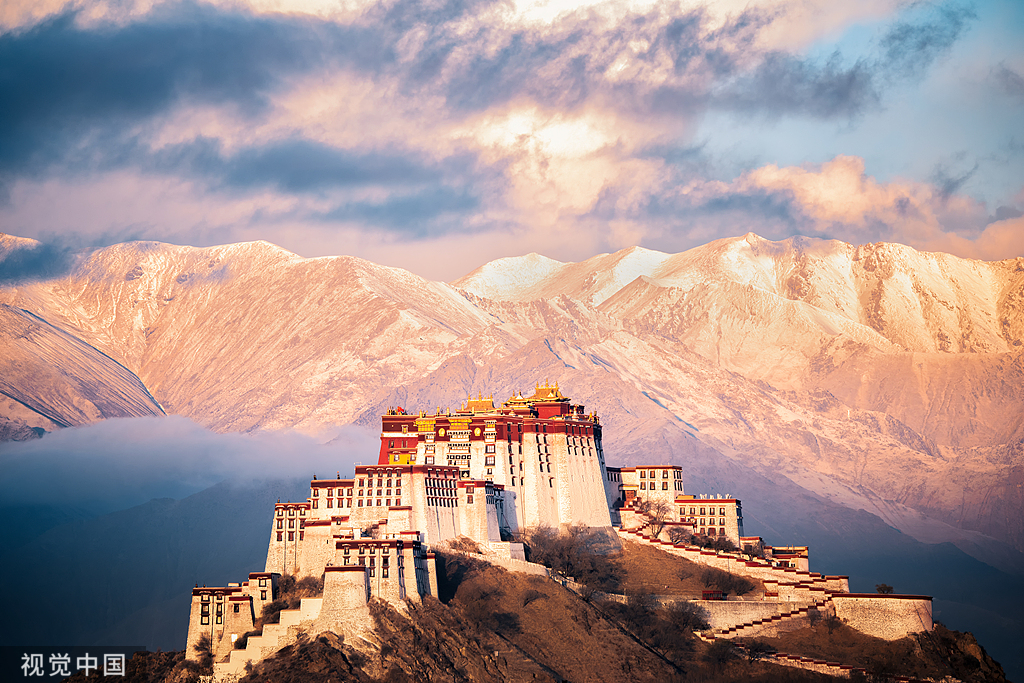
At 3,600 metres, wind moves across old pasture. Snow holds the light. In the warp and weft of pulu there is a way of living with weather: thick, warm, worn until the surface maps a life outdoors.
As heavy robes left daily wear, that cloth risked leaving with them. AJ-NAMO stays on the plateau, works with weavers in places such as Shannan and Shigatse, and puts snow, lake, prayer flag, and cloud into autumn–winter pieces you can actually put on.
How the cloth is made to live
Cloth
Highland wool pulu — warm, open to air, then lightened so it can hang as coat, vest, knit, or skirt.
Colour
Snow, lake, grassland, danxia red, muted prayer-flag tones. Low saturation. No festival pile-up.
Motif
Cloud, snow peak, water, endless knot, lotus. At collar, cuff, hem, or side — never all-over.
Cut
Highland ease kept. Shoulder, waist, and length cut for international wear. Ties simplified into trench, knit, wide trousers, cape, and vest.
What we cut
The autumn–winter line is the spine of the house — pulu, plateau colour, and motif carried through dress and accessories.
- Pulu knits — sweaters, turtlenecks, open cardigans. The grain of the weave, softened.
- Highland outerwear — pieced trenches, work vests, long coats, capes. Wind held off the body.
- Autumn–winter lower — long skirts, wide trousers, knit skirts.
- Quiet ceremony sets — daily or lightly formal, for travel and gathering.
- Accessories — hair, neck, hand, bags, pins, belts. Same language as the cloth.
How we photograph
Tibetan faces as they are. Highland weather first: snow, grassland, village, winter sun. Studio shine is secondary. Four words sit under every image — handcraft, highland original, winter warmth, cultural weight.
Stage & institutions
- First ethnic minority brand on an international fashion week stage
- Tibet Autonomous Region cultural industry demonstration brand
- Official partner brand — Belt and Road (2017)
- Paris & New York Fashion Week invited brand
- Beijing Fashion Week 10th Anniversary — Guochao Innovation Award (2025)
Craft recognition
- Tibet Autonomous Region — outstanding award for ICH craft design (pulu innovation).
- Western China Ethnic Dress Original Design Competition — emerging brand of the year.
- Highland ICH cultural transmission — outstanding partner brand.
- Cross-border ethnic cultural products — nomination for cultural value overseas.
- Highland handcraft revival plan — supported original design brand.
On the ground
- Tibet ICH expositions — pulu autumn–winter work and live weaving.
- China International Cultural & Creative Expo and overseas brand fairs.
- East–West cultural art exhibitions carrying contemporary highland dress.
- Rural artisan programs with Tibetan weavers, keeping the loom in work.
- Overseas Chinese cultural festivals and East-aesthetics salons.